
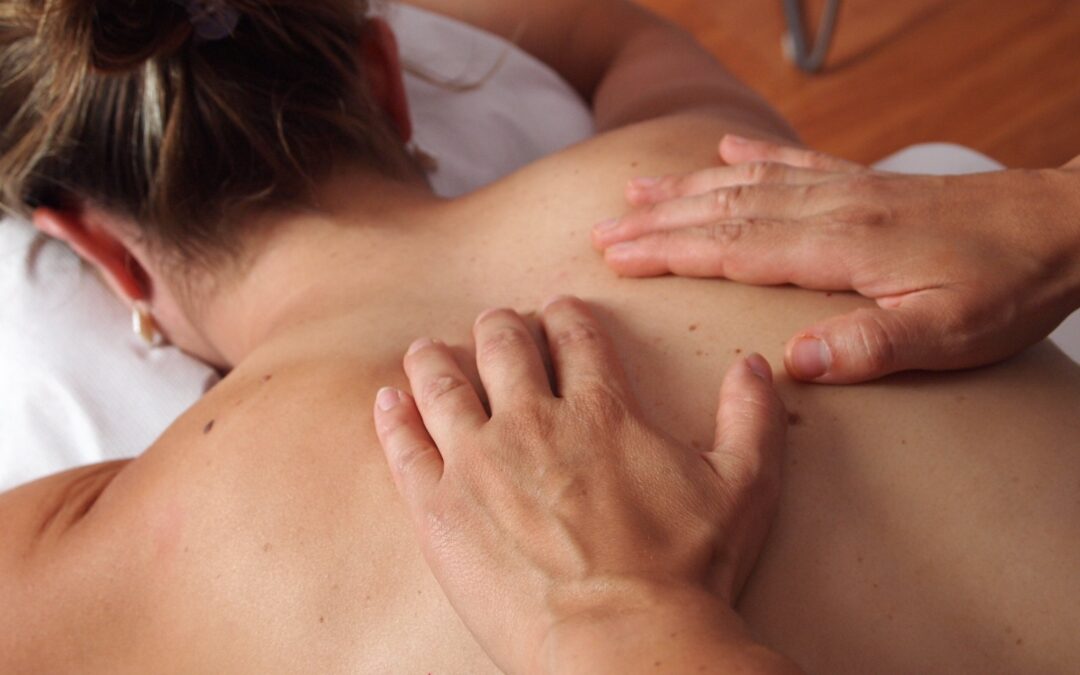
Do you think that massage is just a way to indulge or pamper yourself? Massage can be a powerful tool to help you improve your health and wellbeing. This article outlines the three main areas in which there is particularly good scientific evidence supporting the role of massage.
1. Stress and Relaxation
Adrenaline and cortisol are both stress hormones which are released to boost your heart rate and blood sugar level. These are prehistoric reactions that were part of human survival. While intermittent stress can make us more alert, aware and perform better if we live in a constant state of stress it can manifest in physical symptoms like headaches, upset stomach, elevated blood pressure, chest pain, insomnia, anger, drug and alcohol abuse, and depression to name a few.
Experts estimate that 90% or more of disease may be related to stress. High levels of cortisol and adrenaline have been linked to cardiovascular disease, diabetes, Dementia and cancer.
We know that eliminating stress and anxiety altogether is unrealistic, massage (alongside other lifestyle changes) can help manage stress.
Two things happen during a massage, stress hormones are decreased, and several other hormones, are increased. The increase in endorphins, serotonin, oxytocin and dopamine (the “feel good” hormones), results in a feeling of calm relaxation that makes chronic as well as acute stress much easier to overcome. Your breathing rates responds by slowing down and becomes deeper and more regular.
Reducing stress alone can improve your vitality and state of mind. By decreasing cortisol and adrenaline levels, rest and recovery can take place, potentially improving your health profile and disease risk. A regular massage programme can help decrease blood pressure, which can contribute to reducing the risk of having a heart attack or a stroke. Recent studies have shown the benefit of massage to cancer patients in reducing pain and nausea associated with treatment, as well as improving overall well being.
2. Improving Muskulo Skeletal Pain
Massage therapy has always been a cornerstone of treatment for musculoskeletal and neuromuscular conditions, post-operative recovery and sports injuries. It improves circulation to the area promoting repair and healing.
Massage therapy can help to reduce pain, as well as stretch soft tissue structures to recover good flexibility.
Massage, if received regularly, can improve athletic performance and speed up recovery. No matter your level of participation (you may be a gardener or a marathon runner). if you exercise you can benefit from massage.
Studies have shown that massage can:
- Reduce pain, muscle tension, and spasm.
- Mobilises and breaks down scar tissue following injury.
- Increases freedom of movement.
- Improve soft tissue function.
- Support recovery.
- Decrease muscle stiffness and fatigue after exercise.
- Reduce inflammation and swelling.
- Enhance athletic performance.
- Reduces the risk of injury.
Musculoskeletal injuries are more common now than they were 50 years ago, not because we are exercising harder but because we are more sedentary. Sitting for long periods e.g. in front of a computer forces some muscles to work incredibly hard while others get weaker and shorten in length. Massage (alongside exercises and awareness of posture) can relieve pain and loosen tight muscles, allowing your body to position itself in a more natural and pain free posture.
3. Boost Immunity
When the body is constantly under stress, the excess of stress hormones suppresses the immune system, leaving the body more vulnerable to infection and slower to recover. Clinical studies show that regular massage can increase the immune system’s activity level, boost lymphocytes (white blood cells) and T-cells (another type of white blood cell) which play an essential role keeping your immune system healthy.
Jill Drew (Physiotherapist) and Annelli Smith (Sports Massage Therapist)
If you wish to find out more please contact us jill@jilldrewphysio.com