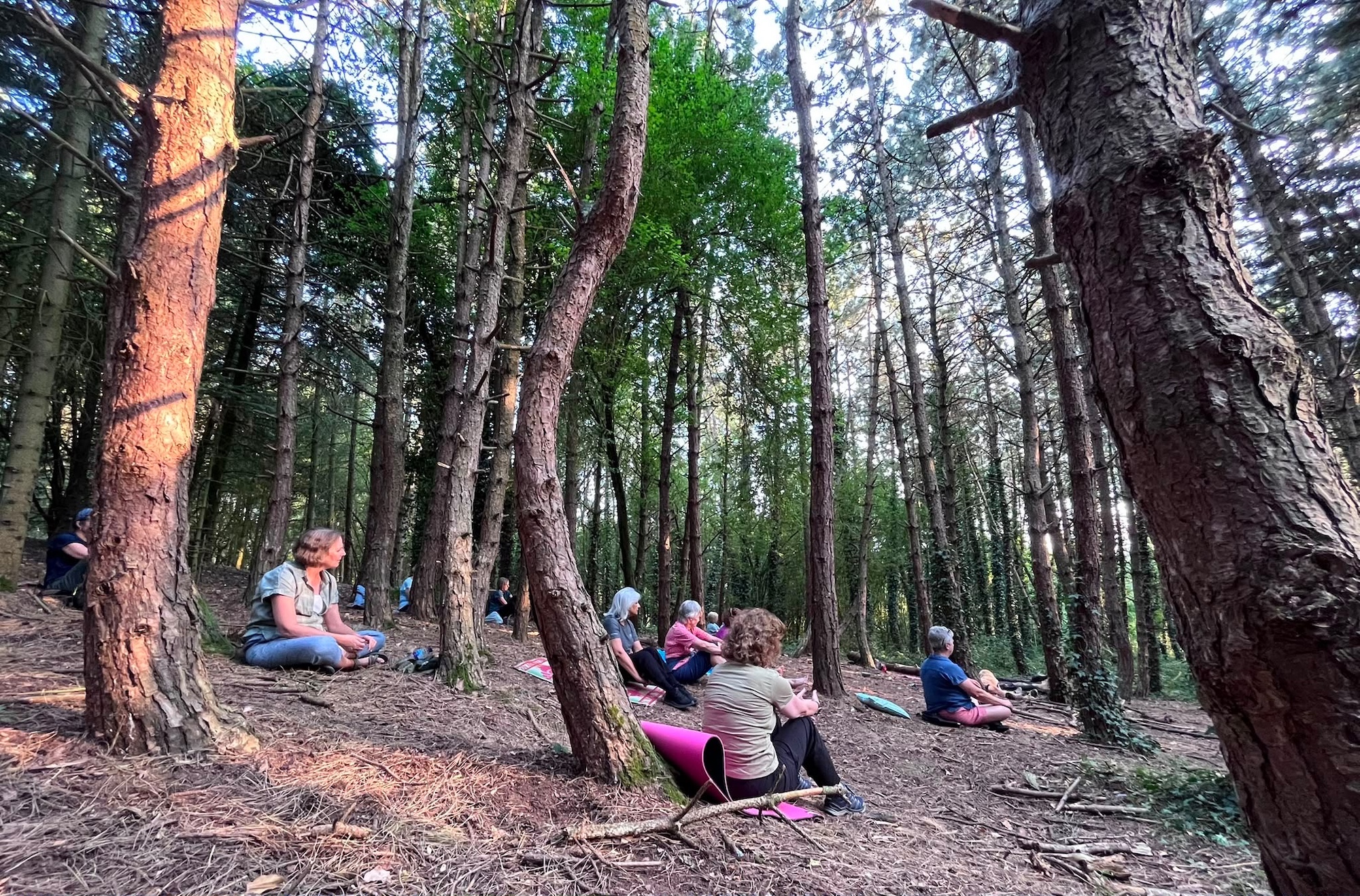
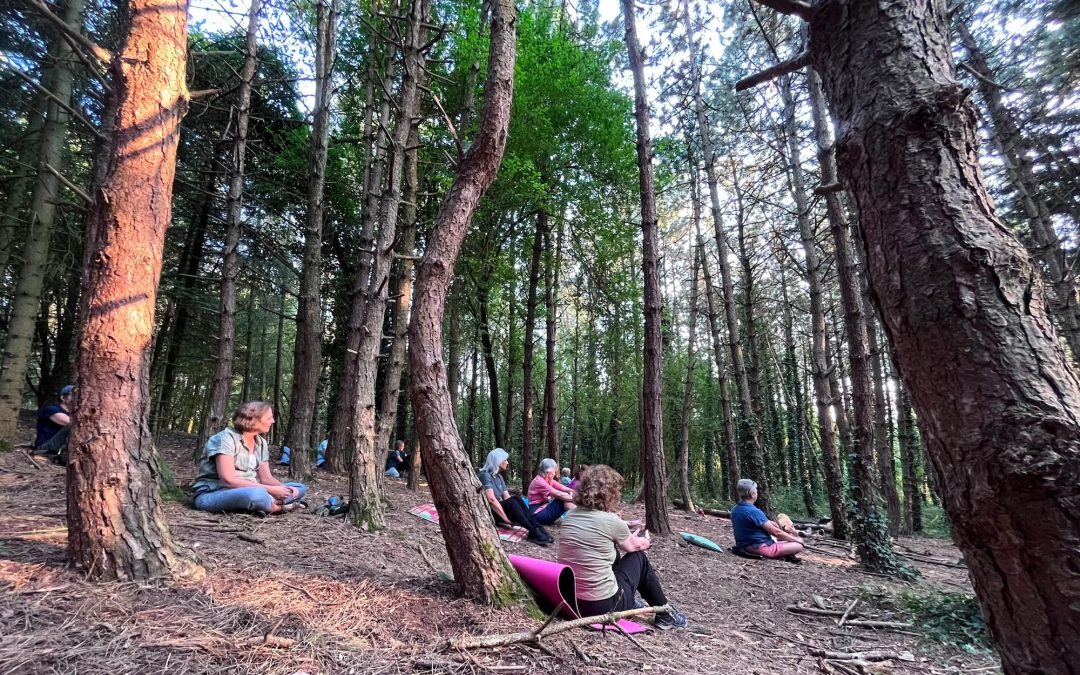
On Wednesday evening, I spent a wonderfully peaceful few hours with my WALX Leamington group at Newbold Comyn. It wasn’t one of our usual walks where the emphasis is on covering miles or increasing our heart rate. Instead, the focus was something we perhaps don’t do often enough in our busy lives – slowing down and reconnecting with nature.
As a physiotherapist, I spend every day encouraging people to keep moving. Movement is one of the most powerful medicines we have. But this week reminded me that sometimes it’s not just about moving through nature – it’s about allowing yourself to become part of it.
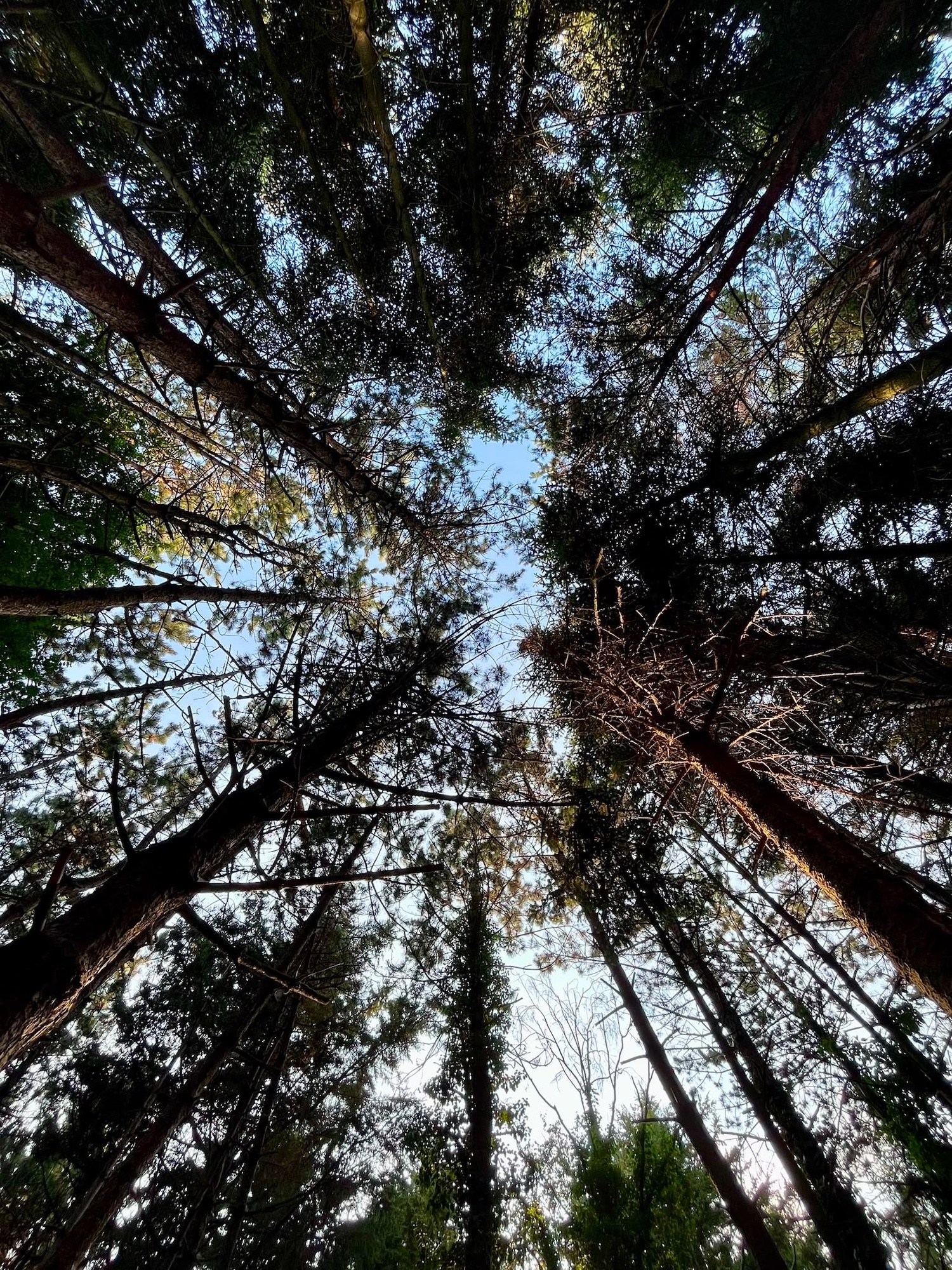
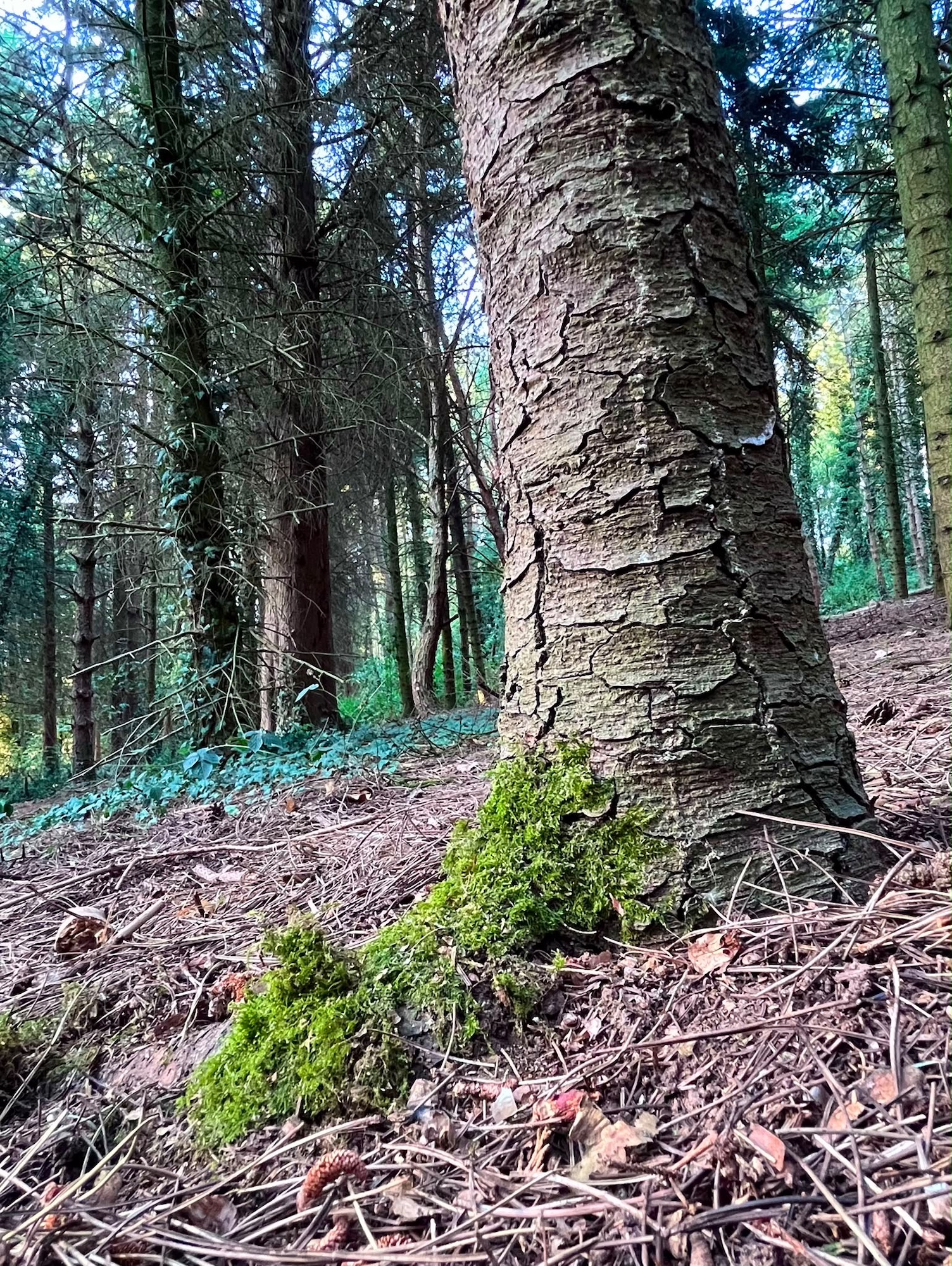
Much of the evening was spent beneath a beautiful mixture of towering pine trees and mature deciduous woodland. We sat quietly together, lay on the ground looking up through the canopy and simply noticed what was around us. Watching the branches gently sway overhead, listening to birdsong, feeling the warmth of the evening air and breathing in the distinctive scent of the woodland created an overwhelming sense of calm.
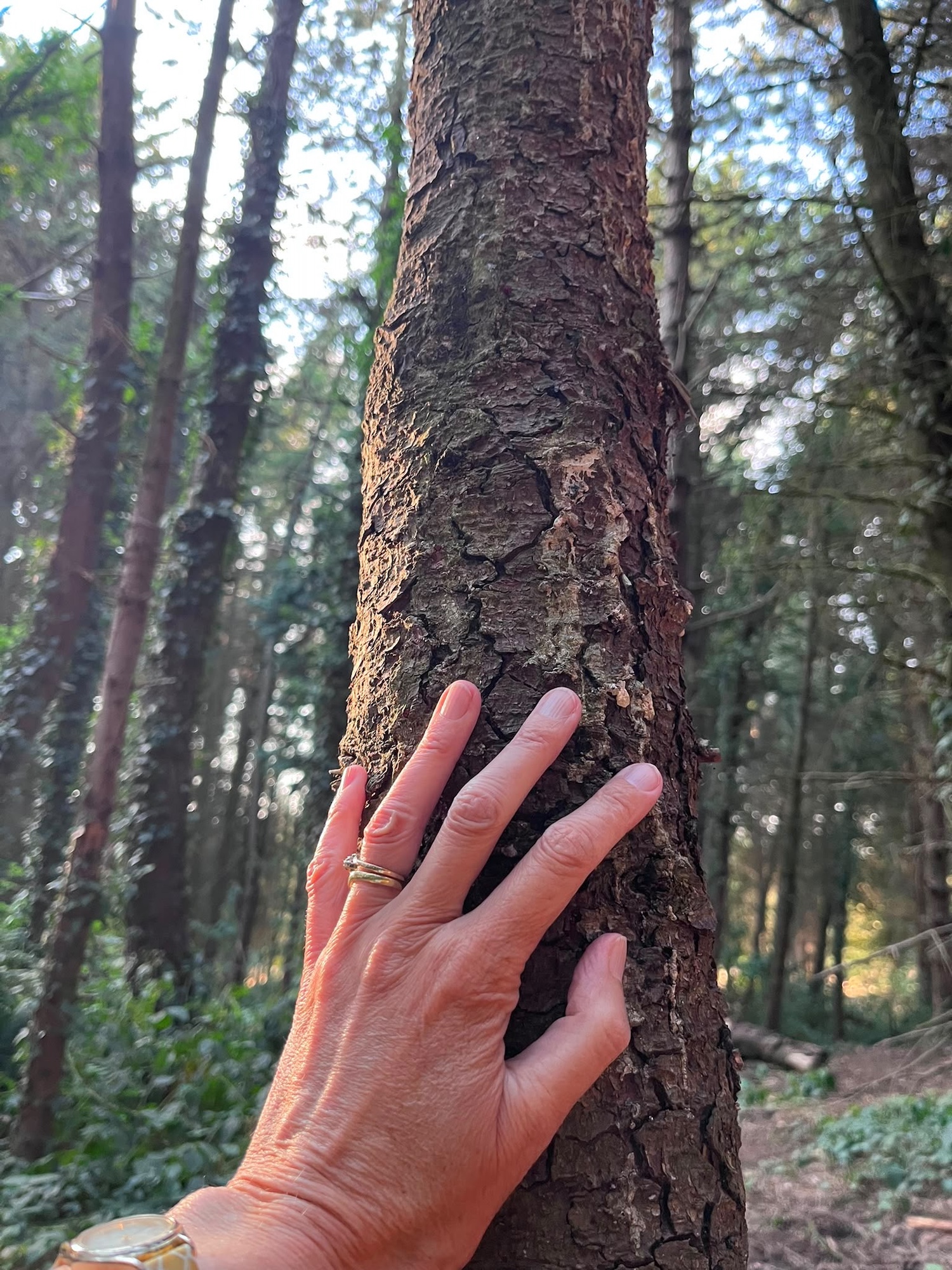
One activity was particularly memorable. We were invited to close our eyes and gently place our hands on the trunk of a tree. Without looking, we explored its texture, shape and contours before opening our eyes to discover “our” tree. It sounds surprisingly simple, yet closing one sense heightened all the others. I became much more aware of the rough bark beneath my fingertips, the coolness of the trunk and the reassuring solidity of something that had stood there for many decades. It was a lovely reminder of how rarely we truly pay attention to the natural world around us.
Experiences like this are often described as Shinrin-yoku, or “forest bathing”, a practice developed in Japan that encourages mindful immersion in woodland rather than exercise alone. Research over the past two decades has shown that spending time amongst trees can reduce stress, improve mood and promote feelings of relaxation. Studies have also demonstrated reductions in heart rate, blood pressure and stress hormones following time spent in woodland, while more recent reviews continue to support improvements in anxiety, mood and feelings of restoration, even if not every physiological effect is seen consistently across every study.
Perhaps this isn’t really surprising. Woodland offers something many of us are missing. The gentle rustling of leaves, birds singing overhead, filtered sunlight through the branches and the earthy scent of pine needles create an environment that naturally encourages us to slow our breathing, quieten our thoughts and become more present. Forestry England also highlights how forests provide a sensory escape from everyday pressures and help people feel calmer while encouraging gentle physical activity.
As physiotherapists, we often prescribe exercise because we know how important movement is for our muscles, bones, heart and joints. But this evening reminded me that wellbeing is about much more than physical health alone. It includes our mental wellbeing, our ability to relax, our connection with other people and our relationship with the natural environment.
One of the things I love about the WALX group is that it brings all of these elements together. There is no pressure to perform. There is plenty of laughter, interesting conversation and a shared appreciation of being outdoors. Whether we’re walking, pausing to observe nature or simply sitting quietly beneath the trees, everyone leaves feeling a little lighter than when they arrived.
Perhaps that’s something we could all benefit from.
The next time life feels busy or overwhelming, instead of reaching for another screen, why not find your nearest woodland or park? Sit beneath a tree. Listen carefully. Feel the bark beneath your hands. Notice the breeze, the scents and the sounds around you.
Nature has an extraordinary way of reminding us to breathe, to slow down and to reconnect—not just with the world around us, but with ourselves.
Driving home that evening, I realised I felt genuinely refreshed. Not because I’d completed a strenuous workout, but because I’d given myself permission to slow down for a couple of hours and simply be.
As physiotherapists, we help people move better every day. This week reminded me that sometimes the most powerful movement isn’t about going further or faster—it’s about slowing down, noticing the world around us and giving ourselves permission to simply be.
Jill Drew Physiotherapy – supporting you to keep moving every day.