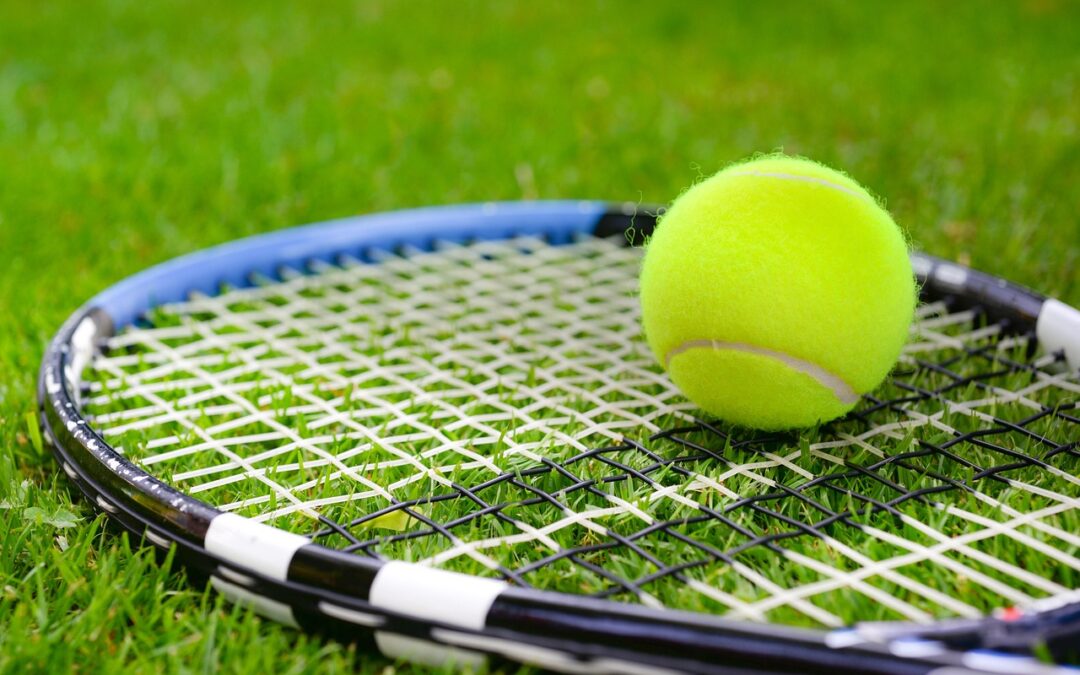
With Wimbledon underway the local tennis courts will be buzzing with keen players over the next two weeks! Let’s serve up three interesting facts you may not know about “Tennis Elbow” and physiotherapy.
You can get tennis elbow without ever picking up a racquet
Tennis elbow is one of the most common tennis injuries even though it can affect non tennis players too. 3% of the UK population will experience tennis elbow but less than 1 in 10 of those individuals actually play the sport. It generally affects adults between 40-60 years and men and women equally.
Tennis Elbow is aggravated by wrist not elbow movements
Typically gripping items in the hand and twisting the forearm. This is because the tendons in the forearm which pull the wrist and fingers upwards attach onto a bone on the outside of the elbow. If they are overloaded, they can become painful – hence the pain on the outside of the elbow and forearm. Repetitive movements of the wrist will make the elbow pain worse e.g. lifting with the elbow straight, gripping a paint brush (or even the handle of a tennis racquet!).
You probably won’t need surgery for Tennis Elbow
Most cases of tennis elbow will improve on their own with time but some do not / Most cases will improve faster with the help of a combination of treatments. What can you do to help it resolve?
- Try and modify or avoid the moments which cause the pain e.g. lift with the palm facing upwards or with your elbows bent. Try and avoid the activities that make it hurt more.
- Try using heat (hot water bottle or wheat pack) to ease the pain. Apply for 10 mins several times a day. If it is really painful you can try an ice pack.
- Try and improve your overall posture especially if you sit at a desk – you may need advice on this. Consider using a wrist rest and if you are a lap top user you may find it helpful to use a stand with a separate keyboard and mouse.
- You may find a tennis elbow clasp helps and we sell these in the clinic and can advise you if it will be suitable.
- Tape – this may help in the short term
- Sleep – this is essential for healing so try and get 8 hours if you can. For more help with this see our blog on sleeping.
- Consider using a anti inflammatory gel or as an alternative we use Fisiocrem (a plant based cream with Arnica, Hypericum, calendula, Tea tree and menthol) – ask us for a sample.
- Consider eating more protein (the building blocks for healing) as well as a multi vitamin (vitamin B, C and D help healing). It may also be worth considering collagen. All of these things may provide a optimal environment for the tendon to heal but are unlikely to work alone.
- Stay well hydrated as dehydration can slow healing. Aim for 8 glasses of water per day.
- Exercise – Cardio aim for 30 mins daily as this helps to decrease pain sensitivity.
- Practice relaxation techniques to reduce the tension in your neck, shoulder and arm muscles. Please ask is for advise on this.

The exercises in this pdf should also help – Please click here.
These video exercises will also help – Opens new website.
Physiotherapy and Tennis Elbow
If your elbow pain is affecting your daily life, stopping you doing the things you enjoy and not settling, then you would benefit from seeing a physiotherapist who specialises in treating this type of condition. Here at Jill Drew Physiotherapy we specialise in treating upper limb conditions, so we are experts in the management of Tennis Elbow. During your consultation we take a detailed history and examine you thoroughly so we can determine the root cause of your pain. We can recommend a plan of treatment which includes education, advice, tailored exercises (stretches and strengthening), postural correction and ergonomic advice, manual (hands on) therapy and acupuncture, we will also provide you with the tools to help you prevent it happening again.
Other treatments for Tennis Elbow
If your pain persists and doesn’t respond to treatment, we may suggest a steroid injection and we can discuss the pros and cons of this with you. We have close links with our local orthopaedic colleagues should onward referral be needed. Steroid injections work best in conjunction with physiotherapy so that the root cause of the problem is addressed and not just the symptoms.
If you would like further information or would like to book an appointment, please Contact Us.