
Vitamin D: Why It Matters for Your Muscles, Bones and Overall Health
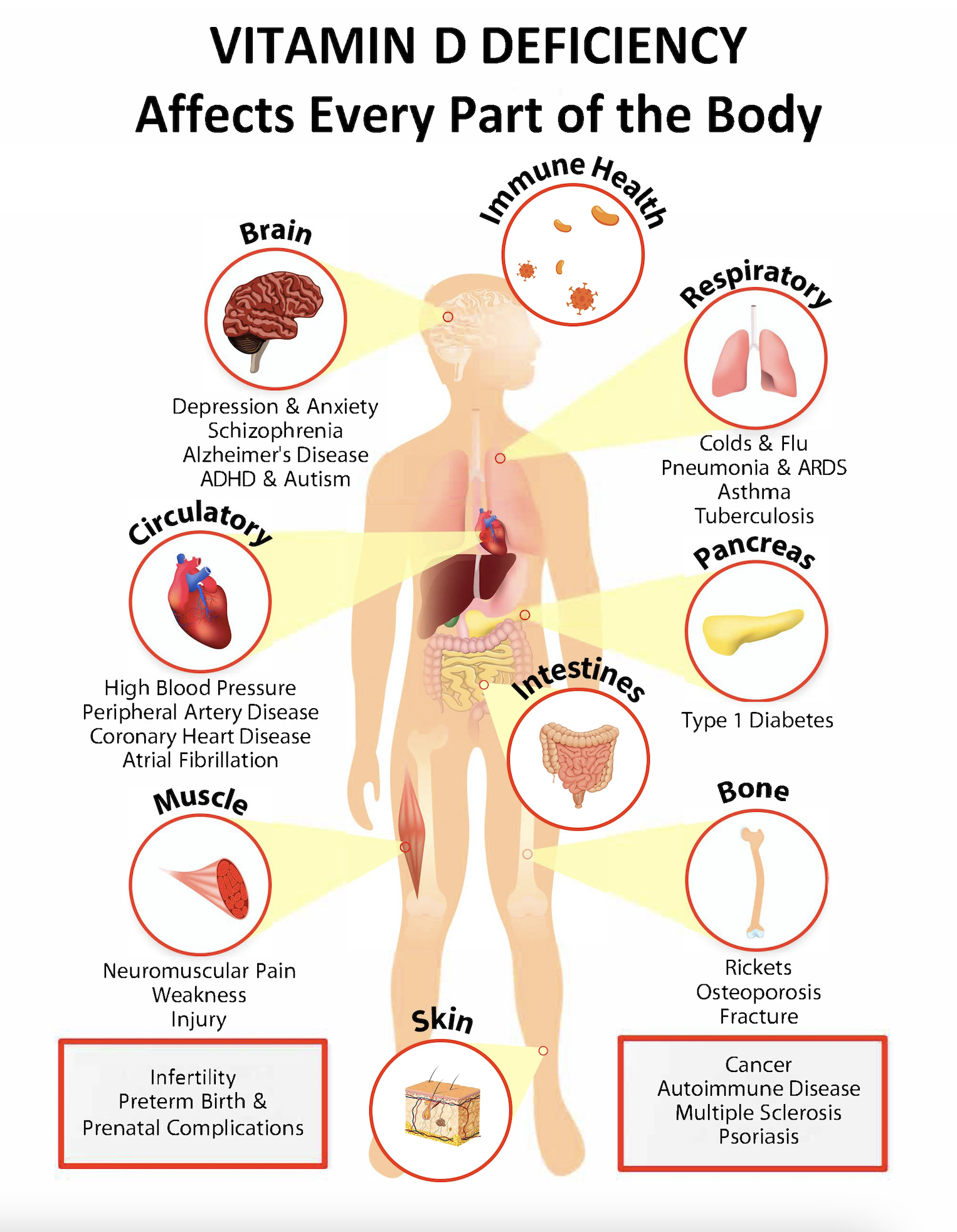
Vitamin D has received a lot of attention in recent years, and for good reason. Low vitamin D levels are very common, particularly in the UK, and can affect your bones, muscles, immune system and general wellbeing. For people dealing with pain, injuries or slow recovery — which we often see in physiotherapy — vitamin D status is especially relevant.
How common is vitamin D deficiency?
In the UK, around 30–40% of adults are estimated to have low vitamin D levels during the winter months, when sunlight is limited. Rates of deficiency are higher in people with darker skin, those who spend little time outdoors, older adults, and people who cover their skin for cultural or medical reasons.
Vitamin D is sometimes called a “vitamin”, but it actually acts more like a hormone. It influences the activity of thousands of genes and has receptors in many tissues, including muscle, bone, immune and nervous system cells. Humans evolved with regular sun exposure, so modern indoor lifestyles can make deficiency more likely.
Symptoms linked to low vitamin D
Not everyone with low vitamin D has obvious symptoms, but deficiency has been associated with:
- Generalised aches and pains
- Muscle pain, weakness or slower recovery from injury
- Increased risk of stress fractures and bone loss (osteopenia and osteoporosis)
- Frequent infections, such as colds and flu
- Fatigue and low energy levels
- Low mood
In physiotherapy, we often see that people with persistent pain or repeated injuries may have contributing factors such as poor bone health or muscle weakness — and vitamin D can play a role in both.
Why do people become deficient?
Common risk factors include:
- Limited sunlight exposure, especially from October to March in the UK
- Darker skin pigmentation, which reduces vitamin D production from sunlight
- Regular use of high-factor sunscreen (important for skin protection, but it reduces vitamin D synthesis)
- Obesity, as vitamin D can be stored in fat tissue
- Digestive conditions such as Crohn’s disease or coeliac disease, which affect absorption
- Kidney or liver conditions
- Following a strict vegan diet without supplementation
How is vitamin D deficiency diagnosed?
Vitamin D levels can be measured with a blood test. If you have symptoms or risk factors, your GP can advise whether testing is appropriate. There are also reputable private testing services available in the UK, though results should always be interpreted alongside a healthcare professional.
How much vitamin D do you need?
Current UK guidance recommends that everyone aged 1 year and over should consider taking 10 micrograms (400 IU) of vitamin D daily, particularly during autumn and winter. This dose is intended to prevent deficiency, not treat it.
If a blood test confirms deficiency, higher doses may be needed for a short period, but this should be done under medical supervision.
Supplementation tips
- Choose vitamin D3 (cholecalciferol), which is more effective than vitamin D2 and may also be useful to take it with added vitamin K2 as this helps its absorption.
- A daily supplement of 10–25 micrograms (400–1000 IU) is commonly used for maintenance. It is available as a tablet or a spray.
- Vitamin D is fat-soluble, so taking it with a meal containing fat may improve absorption
- Many multivitamins do not contain enough vitamin D on their own
Vitamin D is found naturally in foods like oily fish, eggs and dairy products, and some foods are fortified — but it is difficult to reach adequate levels through diet alone.
What about sunlight?
Short periods of sun exposure (around 10–15 minutes on arms and face, depending on skin type) can help vitamin D production in spring and summer. This needs to be balanced with skin cancer risk, which is why supplementation is often the safest and most reliable option, especially in winter.
If you have ongoing pain, frequent injuries, or slow recovery, vitamin D is one small but important piece of the bigger picture. If you’re unsure what’s right for you, speak to your GP or ask us in clinic — we’re always happy to help guide you.
…