
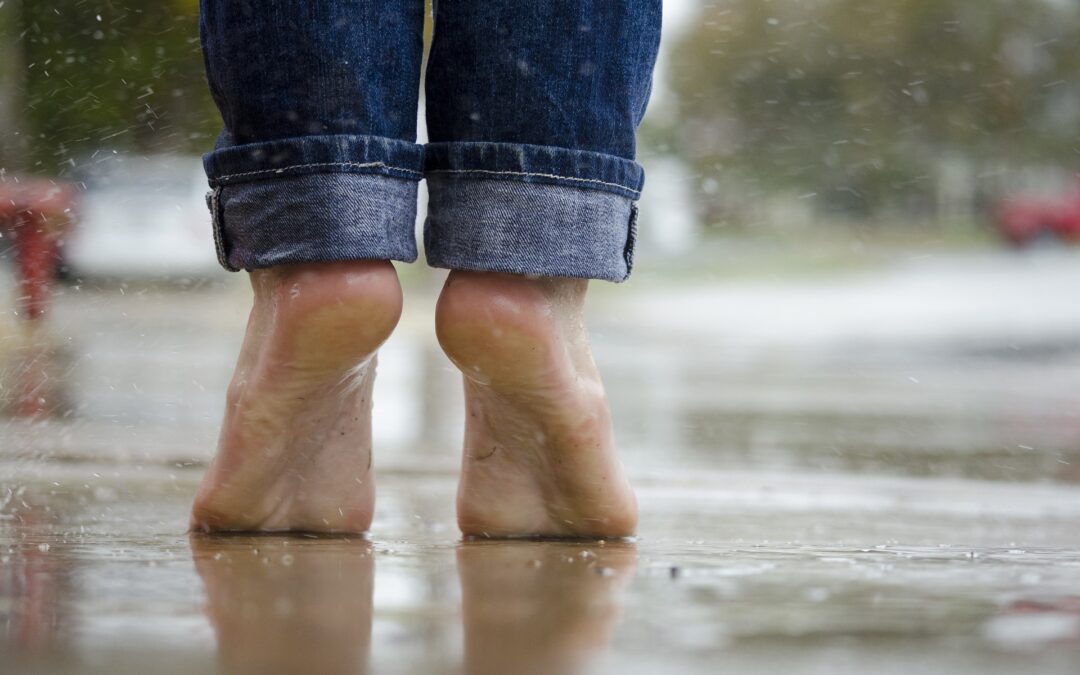
Plantar fasciitis is a common condition, affecting one in ten adults over the age of 50, that affects the foot’s sole, particularly the heel. The Plantar facia is actually a thick band of tissue which holds the long tendons in the sole of the feet in place.It runs from the heel to the toes. When this tissue becomes irritated or inflamed, it can cause pain and discomfort in the feet, making it difficult to walk or engage in physical activities.
Causes of Plantar Fasciitis
Plantar fasciitis occurs when the plantar fascia is subjected to excessive stress or tension. Some of the common causes of plantar fasciitis include:
- Overuse: People who engage in physical activities such as running, jumping, or dancing are at a higher risk of developing plantar fasciitis.
- Manual workers who are on their feet all day.
- Age: As people age, the plantar fascia becomes less flexible and more prone to injury.
- Obesity: People who are overweight or obese put more stress on their feet, which can cause plantar fasciitis.
- Flat feet or high arches: People with flat feet or high arches are more likely to develop plantar fasciitis due to the strain on the plantar fascia.
- Footwear, in particular very flat shoes such as slippers, ballet pumps, flip flops or safety boots.
Symptoms of Plantar Fasciitis
Plantar fasciitis often presents as a dull, throbbing pain in the heel or arch, particularly when standing or moving after rest. The pain usually worsens with prolonged standing or walking and can make it difficult to engage in physical activities.
Treatment of Plantar Fasciitis with Physiotherapy in Rugby
The treatment for plantar fasciitis depends on the severity of the condition. Sadly there is no super quick fix for this condition Some of the common treatment options include:
- Rest and Exercise : It’s essential to reduce or avoid activities that put stress on the feet and make the pain worse to allow the plantar fascia to heal. BUT you can still walk (in the correct footwear) and you may also find cycling or swimming can be useful ways of keeping fit without aggravating your pain.
- Ice: Applying ice to the affected area helps reduce inflammation and pain.
- Stretching exercises: Stretching exercises targeted at the calf muscles and the plantar fascia help to improve flexibility and reduce the tension on the plantar fascia. Choosing the right exercises is the key!
- Footwear modifications: Wearing shoes that provide good arch support and cushioning can help alleviate the pain. Generally you will find it you wear shoes with a small heel 3-6 cm is perfect it will be more comfortable. Orthotics such as Formthotics can be really helpful at off loading the painful tissues.
- Taping – can give short term relief and some patients can manage to tape their own foot.
- Medications: Over-the-counter pain relievers such as ibuprofen and ibuprofen gel can help reduce pain and inflammation.
- More invasive treatments include injections and shockwave therapy.
How to Prevent Plantar Fasciitis Recurring.
It’s possible to prevent plantar fasciitis by taking some precautionary measures, including:
- Wearing the right footwear: Wearing shoes that provide good arch support and cushioning can help reduce the risk of developing plantar fasciitis. Wearing an orthotic such as Formthotics can also be very helpful.
- Maintaining a healthy weight: Maintaining a healthy weight helps reduce the pressure on the feet and lower the risk of developing plantar fasciitis.
- Stretching the calf muscles before physical activity: Stretching exercises before engaging in physical activity helps to improve flexibility and reduce the tension on the plantar fascia.
In conclusion, plantar fasciitis can cause significant pain and discomfort, making it difficult to engage in physical activities or even simple tasks such as walking or standing. However, with proper care and treatment, it’s possible to manage the symptoms and prevent the condition from recurring.
If you wish to find out if I can help your plantar fasciitis please feel free to contact me.