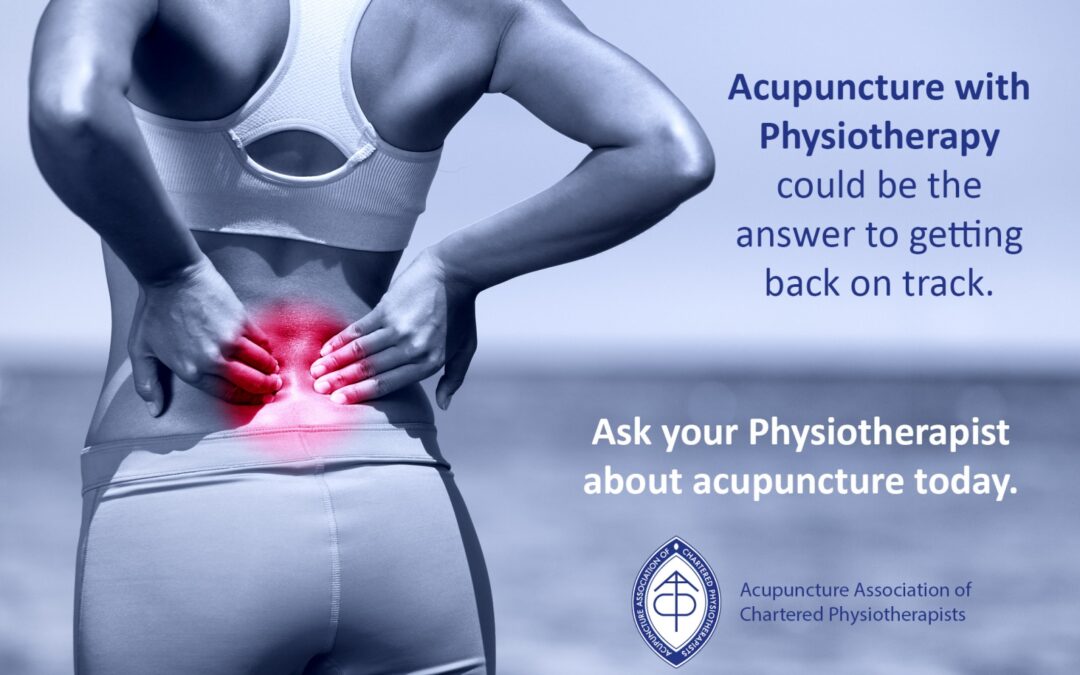
I have been using acupuncture as part of my physiotherapy practice for over 35 years. The Chinese have been using it for over 2000 years and there is now good scientific evidence to support its use in Western medicine. Physiotherapists are in the unique position of being able to combine it with other treatments such as exercise, and manual therapies.
What is Acupuncture?
Treatment involves the insertion of extremely fine stainless-steel needles through the skin and into muscle. They are usually placed into the site where the patient feels pain and in combination with points away from the painful area. The needles are generally left in for about 15-25 minutes and may be gently stimulated by hand or by electric impulses (electroacupuncture).
How does Acupuncture work and will it help me?
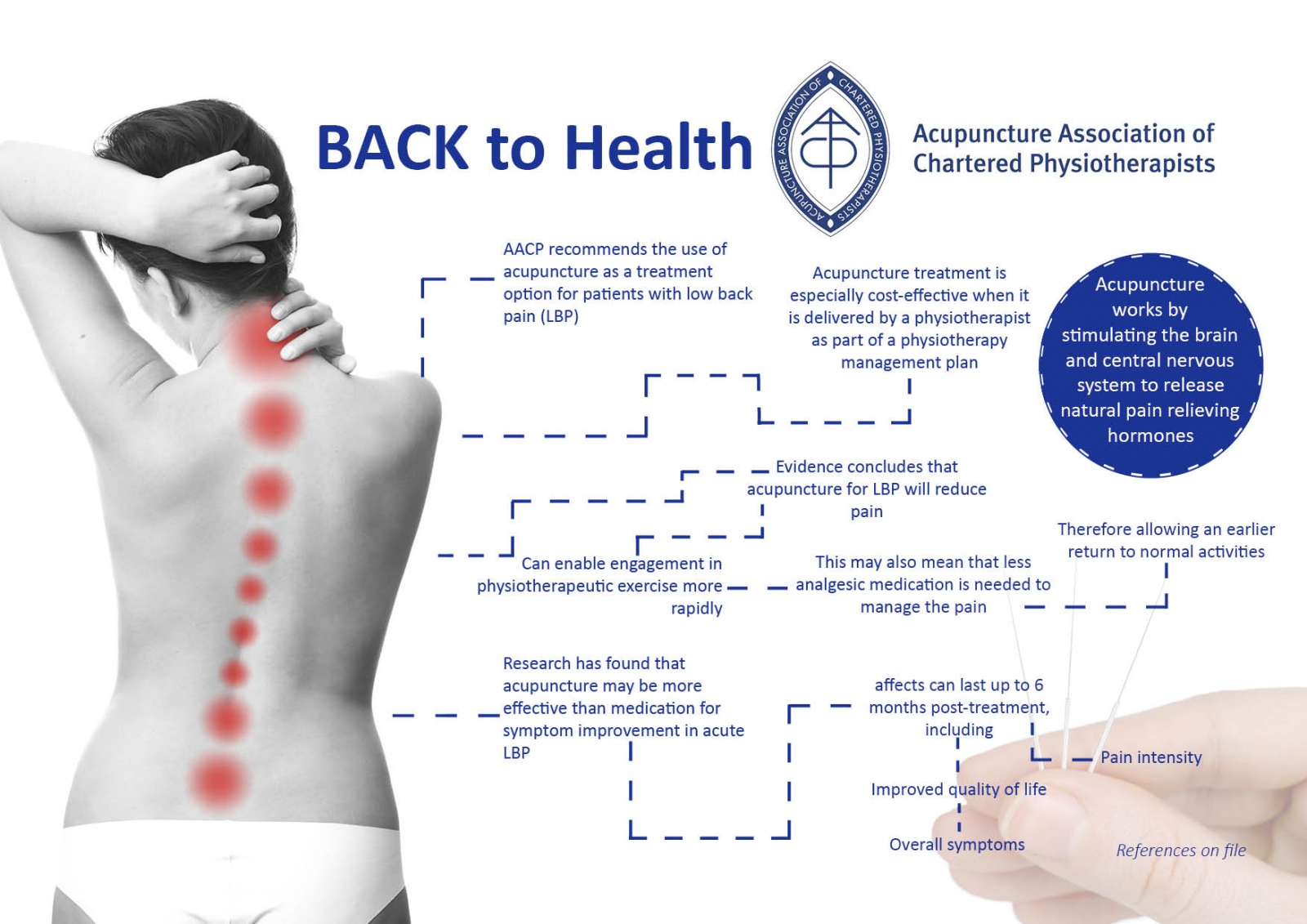
Acupuncture stimulates nerve endings within the muscle to produce various chemicals such as endorphins, dynorphins (painkillers) cortisol (which mediates inflammation) serotonin, melatonin and oxytocin (which help with sleep, relaxation, mood and wellbeing). It can stimulate healing and help to control pain. It can be a precursor to other treatments such as exercise to aid recovery and normal function.
There is good scientific evidence to support its use and NICE recommend it for chronic pain and headaches including migraine.
Although acupuncture can reduce pain (often when other treatments have failed) it does not work for everyone.
Does Acupuncture hurt?
Probably the most frequently asked question! It should not be painful. The needles are the same thickness as a human hair so acupuncture should be far less painful than having a blood test or a vaccination. During the treatment patients often report a feeling of heaviness, warmth, tingling or a mild ache. It is not uncommon for patients to fall asleep during treatment!
Is Acupuncture safe?
Acupuncture is very safe if carried out by a qualified professional who will have taken a full medical history and examined the patient, will follow strict hygiene guidelines and have undergone recognised training and ongoing education. Jill Drew Physiotherapy clinic has been inspected by Rugby Borough Council and has been registered by them to provide acupuncture. The needles are single use, sterile and packaged with a guide tube which means they can be inserted without touching any part of the needle. There are certain health conditions which may mean you are not suitable or extra precautions are required.

Are there any side effects from Acupuncture?
There are far fewer side effects than paracetamol and they tend to be mild and short lived. They include feeling lightheaded, fatigue, localised soreness and occasionally there will be a tiny bruise.
What conditions can be treated with Acupuncture?
In my own practice I use it for the treatment of acute and chronic pain (e.g. neck and back pain, nerve pain such as sciatica, arthritic pain, post operative pain, soft tissue injuries) and also in the management of headaches, insomnia, stress and anxiety and to promote relaxation.